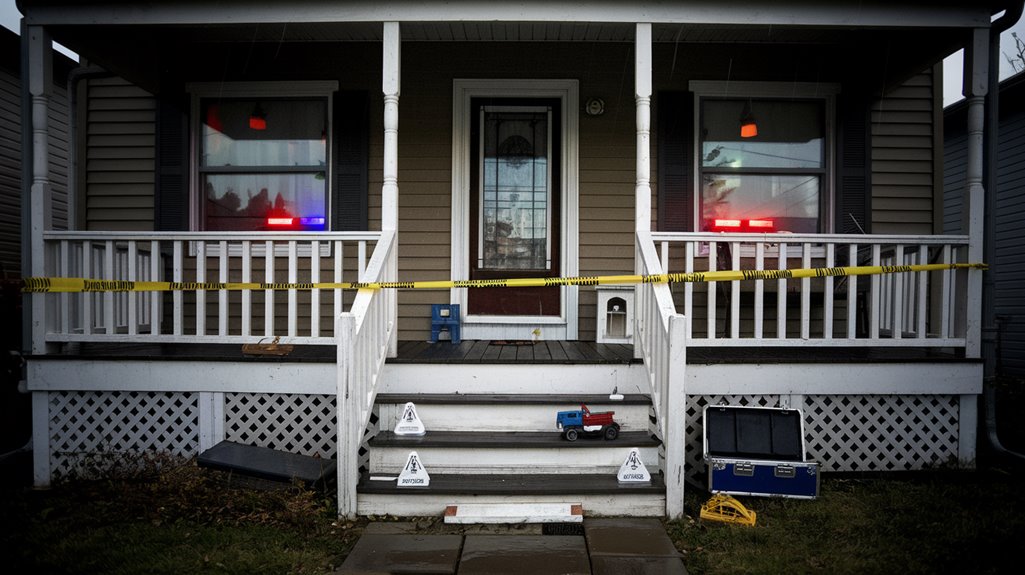
A Prichard grandmother charged with her grandson’s murder has been deemed mentally unfit to stand trial following a psychiatric evaluation. Mary Jordan was arrested in connection with the shooting death of her 38-year-old grandson, Dana Jordan, who was found deceased in 2023.
The court’s ruling on Jordan’s mental incompetence has significantly impacted the timeline of legal proceedings in this case. A judge made the determination after reviewing comprehensive psychiatric assessments that evaluated her ability to understand the charges against her and participate in her own defense.
The shooting incident, which occurred in Prichard, led to Jordan’s arrest and subsequent murder charges. Nevertheless, the legal process took an unexpected turn when questions arose about her mental fitness to face trial. The court-ordered psychiatric evaluation disclosed concerns about her competency, leading to the judge’s recent ruling.
As a result of this development, Jordan’s case won’t proceed through the traditional criminal justice pathway until her competency status changes. Her next scheduled court appearance in July will focus on reassessing her mental state and determining whether she’s gained the capacity to understand and participate in legal proceedings.
The criminal justice system has established protocols for handling cases where defendants are found mentally unfit for trial. These procedures may include mandatory mental health treatment, ongoing psychiatric evaluations, and regular court monitoring to track any improvements in the defendant’s mental state.
The timing of future proceedings will depend entirely on Jordan’s mental health progress. If she regains competency, the murder case could move forward through the standard trial process. Nonetheless, if her mental state doesn’t improve, alternative legal pathways may need to be considered, potentially including long-term psychiatric care or modified judicial proceedings.
The case has drawn attention to the intersection of mental health and criminal justice, highlighting the system’s procedures for handling defendants who are found mentally unfit to stand trial. The court continues to monitor the situation while ensuring both legal and medical requirements are met.